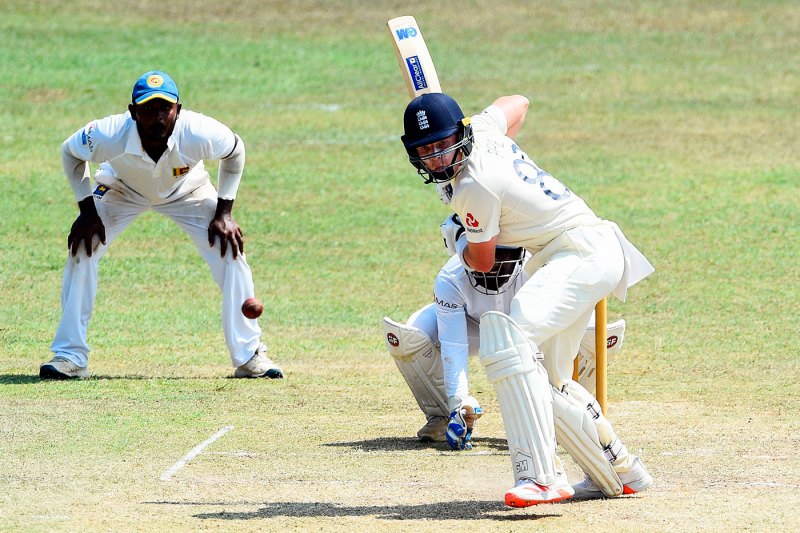
How Much Players in Cricket – A game enjoyed by millions around the world, cricket is a fascinating and complex sport with its own set of rules and complexities. Basically, cricket is a team sport with 11 players per side. These participants each have specific roles and responsibilities, and they come together to create a cohesive and competitive team.
In a cricket team, you will find various talents including batsmen, bowlers, all-rounders and wicketkeepers. The batsmen are responsible for scoring runs and protecting their wickets, while the bowlers aim to bowl out the opposing batsmen and limit the runs. An all-rounder is an all-rounder who excels in both batting and bowling, adding depth to the team’s line-up. The wicketkeepers are experts at collecting deliveries, executing stumps and triggering runs behind stumps.
How Much Players In Cricket

As the game unfolds, defensive players will strategically position themselves to prevent their opponents from scoring, making every aspect of cricket a dynamic and tactical battle. Additionally, cricket teams often have subs and subs who can step in due to injury or tactical decisions to ensure the team remains competitive throughout the match.
Cricket in Afghanistan
The balance of these players on the field is crucial to the success of the team, making cricket a sport that requires not only individual skills but also teamwork, strategy and coordination. So next time you watch a cricket match, enjoy the intricate ballet of these 11 players as they strive to outshine their opponents in the match. You may be wondering how many dancers perform this ballet?
In cricket, the number 11 represents more than just the number of players on the field; it connotes a carefully balanced set of skills and roles. Let’s look at the complexity of this composition.
A standard cricket team consists of a batsman, a bowler and an all-rounder. These include specialist batsmen known for their base-running prowess, bowlers who specialize in wicket-taking and all-rounders who can contribute with both bat and ball. The captain plays a central role in deciding the batting and bowling order, formulating strategic defensive layouts, and directing the team’s performance.
Team player selection may be influenced by a variety of factors, including court conditions, weather, and the strength of the opposition. Teams often adjust their composition to use these factors to their advantage. For example, in favorable spin conditions, teams can opt for more bowlers, while on pitches with good pace, fast bowlers can dominate the lineup.
Satya Nadella, Shahrukh Khan help replica IPL cricket news
Additionally, the format of a cricket match also plays an important role in determining the team composition. In a five-day Test match, the team usually includes more specialist bowlers and batsmen. In One-Day Internationals (ODI) teams aim for a balance of skills, while in Twenty20 (T20) matches where fast runs and tight bowling are crucial, teams may favor aggressive batsmen and Professional T20 bowler.
All in all, number 11 in cricket is not just a fixed number; It represents a dynamic synergy of skills, strategies, and adaptability. The composition of the team changes with the format of the game, playing conditions and team objectives, making cricket a sport where the selection of these 11 players is a key aspect of the complexity of the game.
Creating a balanced cricket team is like solving a complex puzzle. Every part, every player has a role, and the success of the team often depends on how those parts fit together. A cricket team usually consists of specialist batsmen, bowlers, all-rounders and wicketkeepers. However, how these roles are assigned can vary greatly depending on team strategy and match conditions, giving us a deeper understanding of the world of cricket.

Typically, a team consists of 5 to 6 professional drummers. They may be opening batsmen, middle order batsmen or tail-swingers, with each batsman playing a different role. The opening batsman must be strong and patient, tasked with fending off the threat of the new ball and laying a solid foundation. The middle order must maintain the momentum generated by the opener or rebuild the innings despite the loss of early wickets. The tail-enders who come out last are usually not skilled batsmen, but any runs they can contribute can make a big impact.
Returning De Kokic Named In South Africa’s Poke Heavy Cricket World Cup Squad
Isn’t it interesting to see how different characters within the same class of players can change the course of a game?
Likewise, 4-5 bowlers are an integral part of a cricket team. There are different types of bowlers: fast, medium, spin, each with its own unique style and role. Fast bowlers use pace and aggression to confuse the batsmen, while spin bowlers use trickery and variation to deceive the batsmen. Medium-pace bowlers provide balance and are often able to swing the ball both ways, creating uncertainty in the batsman’s mind.
Just like a chef uses different ingredients to prepare the perfect dish, the skipper uses his bowlers strategically to respond to different situations.
All-rounders, players who contribute with both bat and ball, are a valuable asset in cricket. Typically, a team can have 1-2 versatile players. These players can switch roles depending on the situation, providing the team with greater flexibility. Their ability to play dual roles effectively can often tip the scales in the team’s favor.
Impact Player Relay in IPL 2023: All You Need to Know
Imagine carrying a Swiss Army Knife on a camping trip. This is what the all-rounder brings to a cricket team: a versatile tool that can be adapted as needed.
Finally, there is the wicketkeeper, a unique role in a cricket team. The wicketkeeper is the backbone of the team, guarding the wicket, catching the ball as it slips past the batsmen, and making crucial outs such as runs and knockouts. Some of the wicketkeepers are also excellent batsmen, adding depth to the team’s batting line-up.
Just like the conductor of an orchestra ensuring that each instrument performs its role perfectly, the goalkeeper coordinates the fielding team to ensure that every opportunity is exploited.

In cricket, substitutes or casual players are the silent guardians of the integrity and functionality of the team. Even though their role may seem secondary, they play a central role in the smooth running of the game.
The Highest Born Cricketers in the World 2023
Their primary function is to get onto the field when a player is unable to continue playing, which highlights their importance. When a teammate is injured or sick, the backup becomes the backup and must seamlessly step into the spotlight. Now, they are taking on the responsibility of their injured comrades and trying to maintain the team’s competitive edge.
However, the contribution of alternatives extends beyond moments of crisis. They form the logistics support team for the players on the field, just like the supply team in motor sports. Whether it’s rehydrating thirsty players during a sweltering game, delivering tactical advice from coaches, or providing new equipment when needed, bench players keep the team machine running smoothly.
In essence, substitutes embody the team spirit that cricket values. Whether behind the scenes or on the field, they are ready to uphold the team’s commitment to excellence. While their moment in the spotlight may be fleeting, their unwavering dedication and preparation are the everlasting elements that make the show run smoothly and seamlessly. Like the unsung heroes of any orchestra, substitutes are an integral part of a great game of cricket.
In the dynamic and diverse world of cricket, exceptions to standard team compositions continue to emerge, adding depth and excitement to the game. These exceptions often challenge convention and spark compelling narratives that fans and analysts appreciate. Let’s take a look at some notable exceptions when it comes to forming a cricket team.
Ho Manne Players in Cricket: A Complete Guide in 2023
The West Indies team of the 1980s is often regarded as one of the most dominant cricket teams in history, redefining the concept of an all-rounder. Their roster includes exceptional talent who can excel with the bat and ball, and sometimes even on the field. Players like Sir Garfield Sobers, considered one of the greatest all-rounders of all time, set the tone for this extraordinary team.
Imagine facing a team where the batting order is not just about scoring runs but also about unleashing bowlers who can destroy the opposition. West Indies have deployed all-rounders throughout the line-up, making it difficult for the bowlers to find the weak links. A player like Sir Vivian Richards, who can single-handedly change the course of a match with his aggressive batting, is complemented by a bowler like Malcolm Marshall, who can bowl blistering fast.
This extraordinary combination of versatility not only provides batting depth but also bowling versatility. West Indies can adapt to different conditions and situations with ease, whether setting daunting targets or annihilating opponents with sheer pace and aggression. Their ability to perform under pressure and contribute in multiple aspects of the game makes them a force to be reckoned with.

In essence, the West Indies team of the 1980s was a toolbox full of Swiss army knives – versatile, adaptable and ready to take on whatever challenge the cricketing world threw at them. Driven by outstanding all-rounders, their dominance remains etched in cricketing history, proving the incredible impact a well-balanced squad can have on the game.
Asia Cup 2022
How much salary for Indian cricket players, number of players in cricket, players in cricket, players in cricket team, how many players in cricket, how many players play cricket, top cricket players in the world, how much do professional cricket players make, how many players are there in cricket team, top 10 players in cricket, how many players are there in cricket, how much do cricket players make